
Disclaimer: Curate Gifts. This site provides fashion and lifestyle content for informational purposes only.
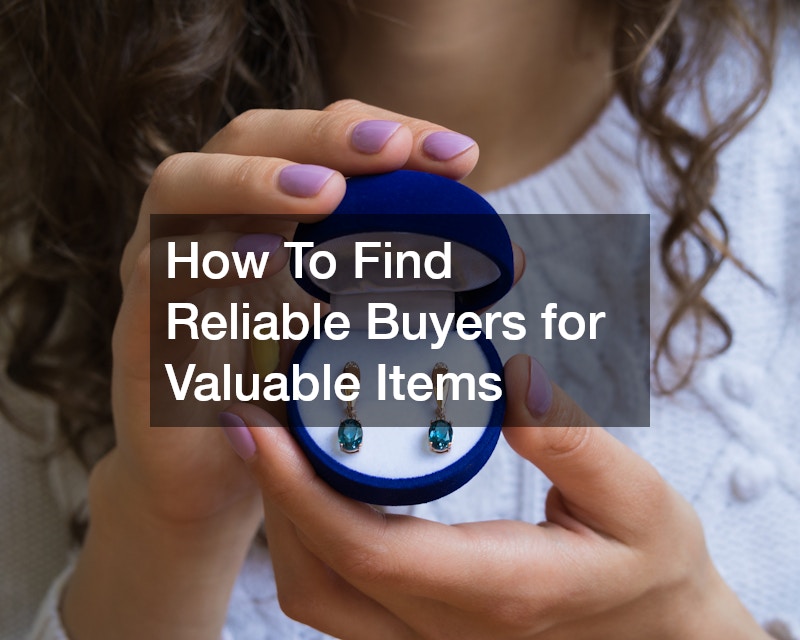
Selling a valuable item can be more complicated than it first appears. Jewelry, coins, precious metals, trading cards, and other collectibles may have both financial and personal significance, which can make it difficult to know when an offer is fair. The challenge becomes even greater when the seller is unfamiliar with current demand, grading standards, or the differences between specialized and general resale businesses.
Preparation is the best way to avoid rushed decisions. Before contacting any buyer, take time to identify what you own, gather any available paperwork, and learn which factors may influence value. Receipts, certificates, appraisals, grading reports, original packaging, and ownership records can all provide useful context. Even a brief written inventory can help you compare offers more accurately.
It is also important to separate emotional value from market value. An item may be meaningful because of its history or connection to a family member, but buyers usually base offers on condition, rarity, materials, demand, and resale potential. Understanding that difference can make negotiations less stressful.
The following steps explain how to match an item with the right specialist, evaluate a buyer’s reputation, prepare valuables for appraisal, and compare offers carefully. A little research at the beginning can protect both the item and the seller throughout the transaction.
Match Each Item With the Right Specialist
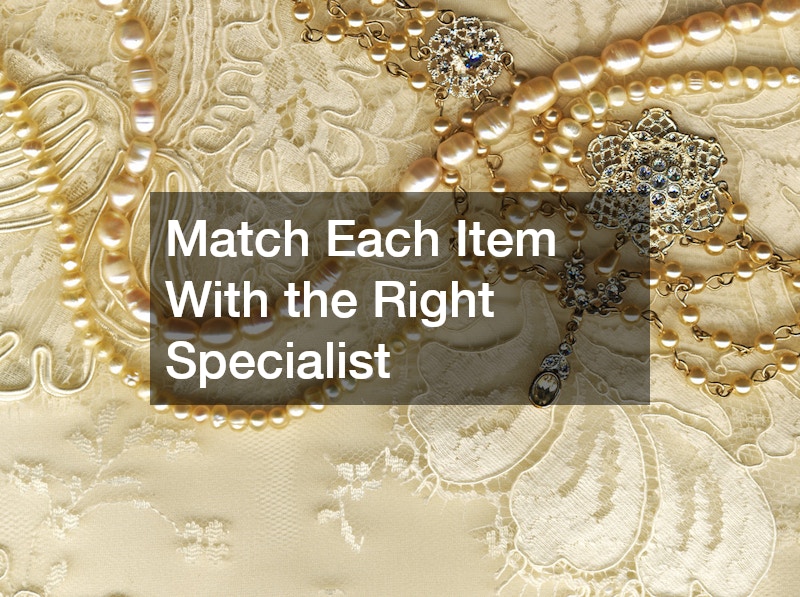
Not every buyer is qualified to evaluate every type of valuable. A business experienced in estate jewelry may not have the same knowledge of rare coins or trading cards. Likewise, a general resale shop may offer convenience but lack the specialized expertise needed to identify unusual features that increase value.
Begin by categorizing the item as accurately as possible. Jewelry should be separated by metal type, gemstone, maker, age, and condition. Coins should be organized by country, denomination, year, mint mark, and packaging. Collectibles should be grouped by series, edition, condition, and whether they have been professionally graded.
Gold buyers are often well suited for pieces valued primarily for their precious metal content. They may evaluate purity, weight, and current market conditions when preparing an offer. However, jewelry with important craftsmanship, gemstones, designer markings, or historical significance may need an additional appraisal because its value may exceed its melt value.
A local coin buyer may be the better choice for currency that could have numismatic value. Coin specialists understand how rarity, demand, preservation, and small design variations can affect price. They may also recognize errors or limited issues that a general buyer could overlook.
Matching the item with the correct specialist increases the chance of receiving a more informed evaluation. Before scheduling an appointment, ask what types of items the business regularly handles and whether it has experience with pieces similar to yours.
Check Reputation, Experience, and Business Practices
A buyer’s offer is only one part of the decision. The reliability of the business matters just as much. An attractive price may not be worthwhile if the process involves hidden fees, unclear testing methods, pressure tactics, or delayed payment.
Start by reviewing the buyer’s business history. Look for a consistent physical location, clear contact information, transparent policies, and a professional website. Online reviews can be useful, but focus on patterns rather than one isolated complaint or praise. Repeated comments about fair explanations, accurate evaluations, and prompt payment are more meaningful than vague ratings.
A reputable gold buyer should be willing to explain how the item is tested, weighed, and priced. Scales should be visible and properly calibrated, and the buyer should identify the units being used. Sellers should also be able to ask questions without feeling rushed.
When researching coin buyers, look for evidence of experience with grading, authentication, and market pricing. Membership in professional organizations may show a commitment to industry standards, although membership alone does not guarantee a fair offer. Ask whether the buyer purchases directly, sells on consignment, or acts as a middleman.
Be cautious if a buyer refuses to provide identification, avoids answering basic questions, or pressures you to sell immediately. Reliable businesses understand that valuable items require thoughtful decisions. They should allow sellers to review an offer, compare options, and leave with their property if they are not ready to proceed.
Organize Jewelry and Supporting Documentation
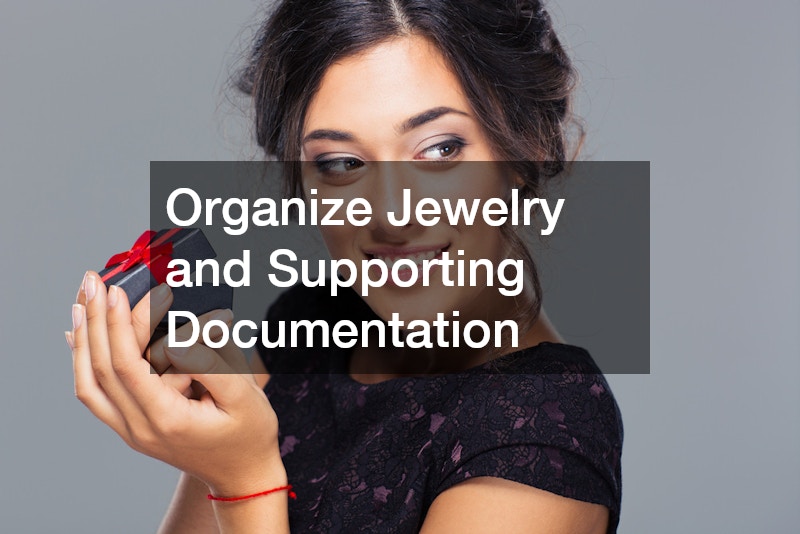
Jewelry evaluations are easier when items are presented in an organized way. Separate pieces by type and place each item in a small pouch, box, or labeled container. This prevents tangling, scratching, and confusion during the appointment. Avoid mixing broken chains, loose stones, and complete pieces together.
Fine jewelry may be valued based on several factors, including metal purity, gemstone quality, craftsmanship, brand, age, rarity, and overall condition. Hallmarks, maker’s marks, serial numbers, and signatures can also affect value. If the item has been repaired or altered, bring any documentation that explains the work.
Original receipts, appraisal reports, gemstone certificates, and branded packaging can support the evaluation. These materials do not guarantee a particular price, but they may help confirm authenticity and provide information that would otherwise require additional testing.
Clean jewelry carefully before the appointment, but do not use harsh chemicals or abrasive tools. Some gemstones and antique finishes can be damaged by improper cleaning. A soft cloth is usually enough to remove surface oils and improve visibility.
The best jewelry pieces are not always the largest or heaviest. A small signed item, rare gemstone, or well-preserved antique may be worth more than a heavier piece with little resale demand. Ask whether the buyer is valuing the piece as wearable jewelry, a collectible, or scrap material. That distinction can significantly affect the offer.
A well-organized presentation helps the buyer work efficiently and gives the seller more confidence when discussing individual pieces.
Learn How Precious Metal Offers Are Calculated
Precious metal offers are generally based on purity, weight, current market conditions, and the buyer’s resale costs. Understanding these factors helps sellers recognize whether the evaluation process is reasonable.
Gold purity is often expressed in karats. Twenty-four-karat gold is considered nearly pure, while lower karat levels contain a larger percentage of other metals. Common markings include 10K, 14K, 18K, and 22K. Some items use numerical fineness marks, such as 585 or 750. Buyers may verify these marks through electronic testing, acid testing, X-ray analysis, or other methods.
Weight also matters, but sellers should ask which unit the buyer is using. Grams, pennyweights, and troy ounces are all common in precious metal transactions. The scale should remain visible throughout the process.
People preparing to sell gold should separate pieces by karat when possible and remove items that may only be gold-plated. Watches, stones, and nonmetal components may not be included in the payable weight. Ask the buyer how those elements are handled.
Gold buyers usually pay less than the full market price because they must account for refining, resale, overhead, and risk. The important question is whether the buyer clearly explains the calculation. Request a breakdown showing the tested purity, weight, reference price, and final offer.
Timing can influence the market value of gold, but attempting to predict short-term price movements can be difficult. A better approach is to compare several offers on the same day or within a short period so the market conditions are similar.
Evaluate Collectibles According to Condition and Demand
Collectibles can be especially difficult to price because value depends on more than age. Popularity, rarity, condition, authenticity, print quality, and current demand all play a role. A once-common item may become valuable if few examples remain in good condition, while an older item may have little market demand.
A pokemon card is often evaluated based on set, edition, rarity symbol, condition, centering, surface quality, corners, edges, and whether it has been professionally graded. First editions, limited releases, promotional cards, and certain printing variations may attract stronger interest.
Avoid handling valuable cards with bare hands more than necessary. Oils and moisture can damage surfaces. Use clean sleeves, rigid holders, and protective storage boxes. Do not attempt to flatten, clean, trim, or repair a card because alterations can reduce value.
A reputable card shop should be able to explain how it reached an offer. Staff may compare recent sales, current inventory, grading standards, and demand within the collector community. Ask whether the shop pays cash, offers store credit, or accepts items on consignment.
Market trends can change quickly, so current sales are more useful than old asking prices. Listings that have not sold do not necessarily reflect true market value. Completed sales, auction results, and recent dealer transactions provide better context.
For larger collections, create an inventory before visiting a buyer. Sort cards by set, rarity, and condition. This can make the evaluation more efficient and help prevent valuable pieces from being overlooked.
Protect Coins Before Seeking an Evaluation

Coins are highly sensitive to handling and cleaning. A small scratch, polished surface, or altered finish can reduce collector interest even if the coin still contains valuable metal. Handle coins by the edges and avoid touching the front or back surfaces.
Coin collecting relies heavily on condition, rarity, demand, historical importance, and authenticity. Mint marks, production errors, low mintage numbers, and unusual varieties may increase value. Coins stored in original packaging or certified holders may also be easier to evaluate.
Do not clean coins before an appraisal. Soap, polish, vinegar, baking soda, and commercial cleaners can damage the surface or remove the natural toning collectors expect. Even gentle wiping may leave fine scratches. A coin that looks dull to an inexperienced owner may still be more valuable in its original state.
A local coin buyer can examine coins individually and explain which pieces have collectible value and which are primarily worth their metal content. Ask whether the buyer uses current market references and whether particularly rare items may require authentication.
Keep sets and original packaging together whenever possible. Proof sets, mint sets, commemorative issues, and certified coins may lose context when separated. If coins were inherited, preserve any notes, receipts, or records that came with the collection.
For a large group, avoid accepting a single bulk price without understanding which items are included. Ask the buyer to separate higher-value coins from common pieces. A transparent explanation makes it easier to judge whether the offer reflects the full collection.
Compare Offers and Review Every Detail
Obtaining more than one offer is one of the simplest ways to protect yourself. Different buyers have different customers, inventory needs, and resale channels. One business may place a higher value on collectible appeal, while another may focus primarily on material value.
When comparing coin buyers, make sure each business is evaluating the same items under similar conditions. Ask whether the offer is firm, whether fees will be deducted, and how payment will be made. Written offers are helpful because they allow sellers to review details without relying on memory.
The same approach applies when choosing a gold buyer. Compare tested purity, recorded weight, market reference, deductions, and final payout. A slightly lower offer from a transparent and established business may be preferable to a higher verbal offer with unclear conditions.
Ask whether items will be purchased outright or sold on consignment. An outright sale provides immediate payment, while consignment may take longer and usually involves a commission. Each approach has advantages depending on the type of item and the seller’s priorities.
Do not allow an item to leave your sight unless the business clearly explains why and provides documentation. If the buyer needs outside authentication or testing, request a written receipt describing the item, its condition, and the expected timeline.
Most importantly, do not feel obligated to sell because an evaluation was provided. A reliable buyer will respect your decision to compare offers or take more time. Confidence comes from understanding the process, not from making the fastest transaction.
Make the Final Decision With Confidence

Selling valuables successfully requires more than finding someone willing to make an offer. It requires understanding what the item is, identifying the right type of specialist, checking the buyer’s reputation, and reviewing how the value was calculated. These steps help reduce the risk of accepting an inaccurate or poorly explained price.
Preparation also protects the item itself. Proper storage, careful handling, organized records, and original documentation can preserve condition and make the appraisal process more efficient. Sellers should avoid cleaning, altering, or repairing collectibles without professional guidance because well-intended changes may reduce value.
Comparing multiple offers provides useful perspective and reveals whether buyers are using similar assumptions. The highest number is not always the strongest deal, especially when fees, payment terms, or unclear business practices are involved. Transparency, professionalism, and experience should all influence the final choice.
A thoughtful seller does not need to become an expert in every category. The goal is to ask informed questions, recognize warning signs, and work with professionals who explain their methods clearly. By researching first and refusing unnecessary pressure, sellers can protect their property, understand their options, and complete the transaction with greater confidence.
